







Recommended
How Lithuanian Cuisine Is Winning Over British Food Lovers

Share:
For decades, British diners have enthusiastically embraced cuisines from around the world. Italian pasta, Indian curries, Chinese stir-fries and Spanish tapas have become everyday favourites across the United Kingdom. In recent years, however, food lovers have begun looking beyond the most familiar international cuisines, seeking authentic culinary experiences that offer something genuinely different.
One cuisine quietly gaining attention is Lithuanian food. Once known mainly within the Lithuanian community, traditional Baltic dishes are increasingly finding their way onto the plates of British consumers who appreciate authentic flavours, natural ingredients and rich culinary heritage.
From hearty potato dishes and artisan rye bread to smoked meats and unique desserts, Lithuanian cuisine is steadily building a reputation as one of Europe’s most underrated food traditions. Across London, Manchester, Birmingham, Leeds and many other cities, more people are discovering why Lithuanian food deserves a place among the UK’s most exciting emerging culinary trends.
One of the main reasons Lithuanian food appeals to British diners is its authenticity.
Unlike some modern food trends that come and go, Lithuanian cuisine has been shaped over centuries by family traditions, agricultural practices and local ingredients. Many recipes served today are remarkably similar to those prepared by previous generations.
Food has always played an important role in Lithuanian culture. Meals are often associated with family gatherings, celebrations and community events. Traditional recipes are passed down from parents to children, preserving flavours that remain closely connected to the country’s identity.
For British consumers increasingly interested in food provenance and culinary heritage, this authenticity is highly attractive.
British people have long appreciated comforting, hearty meals, and Lithuanian cuisine delivers exactly that.
Many traditional dishes are based on simple ingredients transformed into satisfying and flavourful meals. Potatoes, rye, dairy products, vegetables and carefully prepared meats form the foundation of countless Lithuanian recipes.
This emphasis on comfort food creates an immediate connection with British diners who already enjoy dishes such as shepherd’s pie, roast dinners and stews.
Although the ingredients may differ, the emotional appeal is remarkably similar. Lithuanian food feels familiar enough to be approachable while offering entirely new flavours and textures.
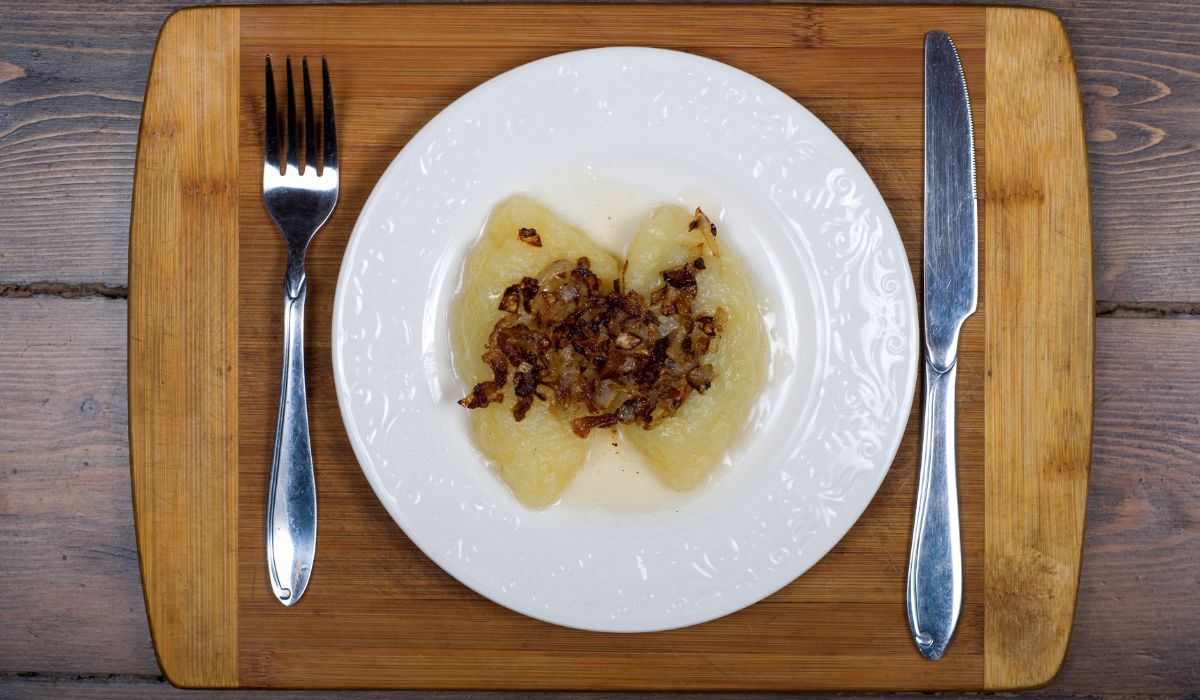
Among all Lithuanian dishes, none generates more curiosity than cepelinai.
These large potato dumplings are often considered Lithuania’s national dish. Filled with seasoned meat and topped with sour cream and bacon sauce, they represent everything people love about traditional comfort food.
British diners frequently compare cepelinai to dumplings found in other European cuisines, yet quickly realise that they offer a unique experience.
The combination of soft potato exterior, savoury filling and rich sauce creates a deeply satisfying meal that leaves a lasting impression. It is no surprise that many first-time visitors to Lithuanian restaurants return specifically to order cepelinai again.
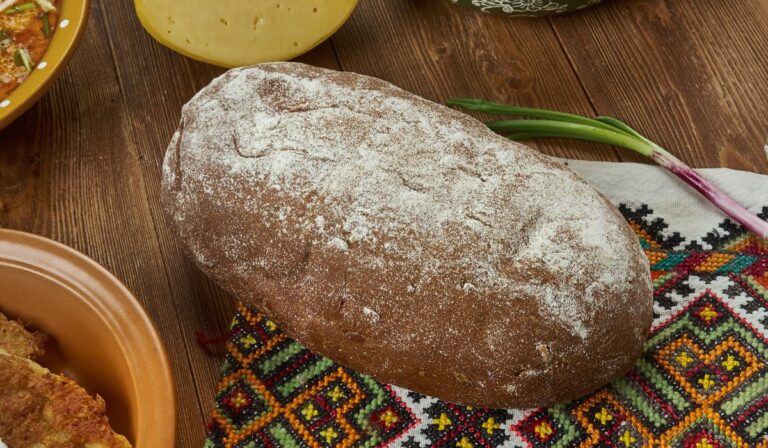
The growing popularity of Lithuanian rye bread is another factor contributing to the cuisine’s success in Britain.
Over the past decade, artisan baking has experienced a major revival throughout the UK. Consumers increasingly seek traditional sourdough breads and products made using natural fermentation techniques.
Lithuanian rye bread fits perfectly into this movement.
Dense, slightly sweet and packed with flavour, authentic rye bread offers a welcome alternative to mass-produced supermarket loaves. Many people who discover Lithuanian bread become loyal customers due to its distinctive taste and superior texture.
Lithuanian bakeries and food stores across Britain have benefited significantly from this trend.
Modern consumers are paying closer attention to food quality and ingredients than ever before.
Many traditional Lithuanian foods align naturally with this preference for simple, minimally processed products. Homemade soups, fermented dairy products, rye bread, fresh vegetables and naturally smoked meats contribute to a cuisine that often feels wholesome and nourishing.
Although some dishes are rich and indulgent, Lithuanian cooking generally avoids excessive artificial ingredients or highly processed components.
This perception of authenticity and natural preparation methods resonates strongly with health-conscious British consumers.
British interest in Eastern European culture has grown considerably during the past two decades.
As communities from Lithuania, Poland, Latvia and other countries have established themselves throughout the UK, people have become increasingly curious about their traditions, languages and cuisine.
Food often serves as the first introduction to another culture. Trying traditional dishes allows people to experience something authentic while learning about the country’s history and customs.
Lithuanian cuisine benefits from this cultural curiosity because it remains relatively undiscovered compared to many other European food traditions.
For adventurous diners, discovering Lithuanian food feels like uncovering a hidden culinary gem.
The success of Lithuanian food in Britain would not be possible without the country’s vibrant diaspora community.
Since Lithuania joined the European Union in 2004, many Lithuanians have made the UK their home. They have established restaurants, bakeries, grocery stores and food businesses that serve both Lithuanian customers and the wider public.
These businesses have become ambassadors for Lithuanian cuisine, introducing traditional dishes to new audiences while maintaining high standards of authenticity.
Many British customers first encounter Lithuanian food through recommendations from Lithuanian friends, neighbours or colleagues.
Word-of-mouth remains one of the most powerful drivers behind the cuisine’s growing popularity.
Another reason Lithuanian food is winning over British diners is its adaptability.
While traditional recipes remain central to Lithuanian cooking, many restaurants are finding innovative ways to present classic dishes to modern audiences.
Chefs are experimenting with contemporary plating, lighter preparations and creative ingredient combinations while respecting traditional flavours.
This balance between heritage and innovation helps Lithuanian cuisine appeal to both older generations seeking authenticity and younger diners interested in culinary exploration.
Food festivals have also played an important role in introducing Lithuanian cuisine to wider audiences.
Across the UK, Lithuanian community events frequently feature traditional dishes, baked goods and cultural performances.
These festivals allow visitors to sample a wide variety of foods in a welcoming environment while learning more about Lithuanian traditions.
Many people who first try Lithuanian food at a cultural event later seek out restaurants and specialist food shops to continue their culinary journey.
Such events help transform curiosity into long-term interest.
The increasing availability of Lithuanian products has made it easier than ever for British consumers to explore Baltic cuisine.
Specialist food stores now operate in many cities throughout the UK, offering imported products such as:
Online retailers have further expanded access, allowing customers across the country to order authentic Lithuanian ingredients for home cooking.
As availability increases, awareness naturally follows.
The future looks promising for Lithuanian food in Britain.
Several trends support continued growth:
As more people discover Lithuanian cuisine, it is likely to move from a niche interest to a recognised part of Britain’s diverse food landscape.
Lithuanian cuisine is winning over British food lovers because it offers something increasingly valuable in today’s food culture: authenticity.
Its dishes are rooted in history, prepared with care and designed to bring people together. From famous cepelinai and refreshing beetroot soup to artisan rye bread and traditional desserts, Lithuanian food provides a culinary experience that is both distinctive and deeply satisfying.
As restaurants, bakeries and food shops continue to introduce Baltic flavours to new audiences, more British consumers are discovering what Lithuanians have known for generations—that some of Europe’s most delicious food has been hiding in plain sight all along.