







Recommended
The Best Lithuanian Restaurants in London: Where to Experience Authentic Baltic Flavours

Share:
London is one of the most diverse culinary capitals in the world, offering everything from Michelin-starred fine dining to hidden neighbourhood gems serving authentic international cuisine. Among the city’s many food cultures, Lithuanian cuisine has quietly established its place thanks to a growing Baltic community and an increasing interest in traditional Eastern European food.
For many Lithuanians living in the United Kingdom, restaurants provide a taste of home and a connection to their cultural roots. For British diners and international visitors, they offer an opportunity to discover a cuisine that remains one of Europe’s most underrated culinary treasures.
Lithuanian food is known for its hearty flavours, high-quality ingredients and recipes passed down through generations. From famous potato dumplings and rye bread to smoked meats and traditional desserts, Lithuanian restaurants in London showcase a unique food culture shaped by centuries of history and tradition.
Whether you are a Lithuanian expatriate missing the flavours of home or a curious foodie eager to try something new, London’s Lithuanian dining scene offers plenty of memorable experiences.
The Lithuanian population in the UK has grown significantly over the past two decades, bringing with it a vibrant food culture. As a result, Lithuanian restaurants, cafés and food shops have appeared across London and other major British cities.
At the same time, British consumers have become increasingly interested in authentic regional cuisines rather than generic international dishes. People want to discover foods that tell a story and reflect genuine cultural traditions.
Lithuanian cuisine fits perfectly into this trend. It combines simple ingredients with rich flavours and strong culinary heritage. Many dishes are prepared using traditional methods that have changed very little over generations.
Unlike heavily processed fast food, Lithuanian cooking focuses on natural ingredients, slow preparation and satisfying meals that bring people together around the table.
Before visiting a Lithuanian restaurant, it helps to understand some of the defining characteristics of Baltic cuisine.
Lithuanian food developed in a climate with long winters and a strong agricultural tradition. As a result, many dishes are designed to be nourishing and filling.
Common ingredients include:
Many recipes also incorporate smoked meats, fermented foods and homemade preserves.
These ingredients create dishes that are rich in flavour while remaining surprisingly simple and comforting.
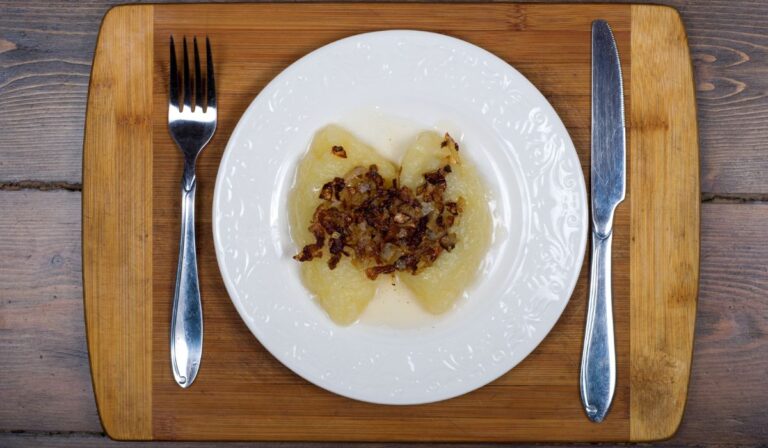
No Lithuanian restaurant experience is complete without tasting cepelinai.
These large potato dumplings are widely regarded as Lithuania’s national dish. They are traditionally filled with minced pork and served with sour cream and crispy bacon sauce.
The preparation process is labour-intensive, requiring specially grated potatoes and careful shaping. This dedication to craftsmanship makes cepelinai a symbol of Lithuanian culinary tradition.
For many first-time visitors, the dish becomes an instant favourite because of its combination of soft potato texture and rich savoury filling.
Most authentic Lithuanian restaurants in London proudly feature cepelinai on their menus.
Lithuanian cuisine offers a variety of soups that are rarely found elsewhere.
The most famous is undoubtedly šaltibarščiai, a bright pink cold beetroot soup.
Made with kefir, beetroot, cucumber and fresh dill, it is particularly refreshing during warmer months. Its vibrant appearance often surprises British diners, but the flavour quickly wins them over.
Other popular soups include mushroom soup, cabbage soup and traditional meat broths that showcase Lithuania’s rustic cooking heritage.
Many Lithuanian restaurants prepare these soups according to family recipes, giving each establishment its own unique character.
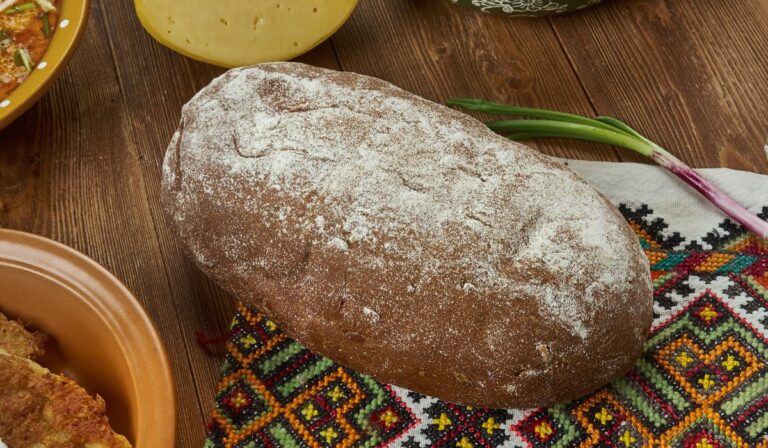
One of the first things many visitors notice in a Lithuanian restaurant is the bread.
Dark rye bread is considered one of Lithuania’s most important food traditions. Dense, slightly sweet and deeply aromatic, it accompanies almost every meal.
Many Lithuanian restaurants either import authentic rye bread directly from Lithuania or bake it locally using traditional sourdough techniques.
For many diners, the bread alone provides a memorable introduction to Baltic flavours.
Served with butter, smoked meats or soup, rye bread demonstrates how simple ingredients can create extraordinary taste.
Lithuanian cuisine is not only about hearty meals.
Traditional desserts play an important role in celebrations and family gatherings.
One of the most iconic sweets is šakotis, often known as tree cake because of its distinctive branch-like appearance.
Prepared by slowly pouring batter over a rotating spit, šakotis requires skill and patience. The result is a beautiful cake with a delicate buttery flavour.
Another favourite is skruzdėlynas, sometimes translated as anthill cake. Made from fried pastry pieces covered with honey and poppy seeds, it offers a wonderful combination of crunch and sweetness.
Many London-based Lithuanian bakeries and restaurants serve these traditional desserts throughout the year.
Lithuanian restaurants in London are about much more than food.
For many members of the Lithuanian community, these venues serve as cultural gathering places where people celebrate holidays, family milestones and national traditions.
Events such as Lithuanian Independence Day celebrations, Christmas gatherings and folk music evenings often take place in restaurants and community centres.
As a result, visitors can experience not only authentic food but also genuine Lithuanian hospitality and culture.
This social aspect is one of the reasons Lithuanian dining experiences feel so welcoming and memorable.
Although London remains the centre of Lithuanian dining in Britain, interest is growing in many other cities.
Communities in Manchester, Birmingham, Peterborough, Leeds and Nottingham have supported the development of Lithuanian restaurants, bakeries and specialist food shops.
Food festivals and cultural events are also helping introduce Baltic cuisine to wider audiences throughout the country.
As more British consumers discover traditional Lithuanian dishes, demand for authentic restaurants continues to increase.
If you are visiting a Lithuanian restaurant for the first time, consider trying the following menu items:
Together, these dishes provide an excellent introduction to the diversity and richness of Lithuanian cuisine.
The popularity of Lithuanian food in London continues to grow as more people seek authentic culinary experiences.
What was once primarily enjoyed within the Lithuanian community is increasingly attracting food enthusiasts, travellers and adventurous diners from all backgrounds.
This growing appreciation reflects a broader trend towards discovering lesser-known European cuisines that offer genuine cultural connections and distinctive flavours.
Lithuanian restaurants are perfectly positioned to benefit from this movement, bringing centuries of Baltic culinary tradition to one of the world’s most exciting food destinations.
London’s Lithuanian restaurants offer far more than just a meal. They provide an opportunity to explore a rich culinary heritage built on tradition, craftsmanship and hospitality.
From comforting cepelinai and refreshing pink soup to freshly baked rye bread and iconic desserts, every dish tells a story about Lithuania’s history and culture.
For anyone looking to experience authentic Baltic flavours without leaving the UK, Lithuanian restaurants in London represent one of the city’s most rewarding and delicious culinary discoveries.