








Traditional
10 Traditional Lithuanian Dishes Every Food Lover Should Try in the UK

Share:
Lithuanian cuisine is one of Europe’s best-kept culinary secrets. While countries such as Italy, France and Spain often dominate conversations about food, Lithuania offers a rich and distinctive culinary heritage that deserves far more attention. Over the past two decades, the growing Lithuanian community in the United Kingdom has helped introduce traditional Baltic flavours to British food lovers, creating new opportunities to discover authentic dishes that have been enjoyed for generations.
From hearty comfort foods and handmade dumplings to freshly baked rye bread and irresistible desserts, Lithuanian cuisine reflects the country’s history, climate and agricultural traditions. Whether you visit a Lithuanian restaurant in London, Manchester, Birmingham or Peterborough, or shop at a Lithuanian food store, there are plenty of opportunities to explore these unique flavours without leaving the UK.
Here are ten traditional Lithuanian dishes every food enthusiast should try.
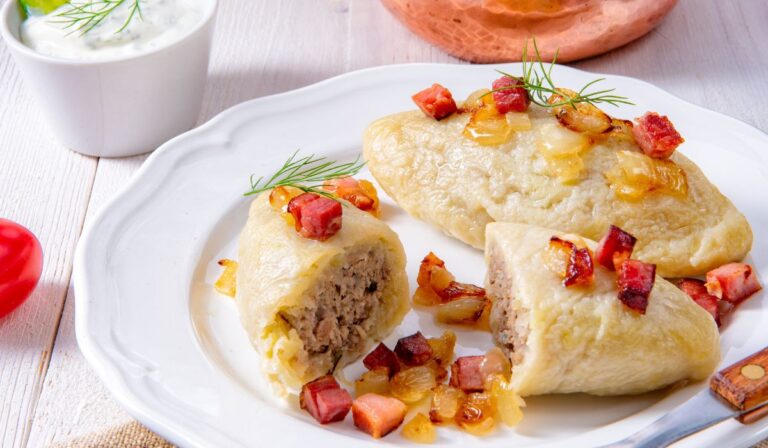
No discussion of Lithuanian food would be complete without mentioning cepelinai. Often considered the national dish of Lithuania, cepelinai are large potato dumplings traditionally stuffed with minced pork, although vegetarian variations are becoming increasingly popular.
The name comes from their resemblance to Zeppelin airships. The dumplings are made from grated potatoes and typically served with a rich bacon and sour cream sauce.
For many Lithuanians living in the UK, cepelinai remain a comforting reminder of home. They are commonly found in Lithuanian restaurants and during community events across Britain. The combination of soft potato dough, savoury filling and creamy topping creates a deeply satisfying meal that perfectly represents traditional Lithuanian cooking.
Perhaps the most visually striking Lithuanian dish is šaltibarščiai, a vibrant cold beetroot soup that instantly captures attention with its bright pink colour.
Made from beetroot, kefir, cucumber, fresh dill and spring onions, this refreshing soup is traditionally served chilled with hot boiled potatoes on the side. It is especially popular during the summer months.
British visitors often approach the dish with curiosity, but one spoonful is usually enough to understand why it remains one of Lithuania’s most beloved recipes. Its fresh, tangy flavour offers a welcome contrast to heavier winter dishes.
Potatoes play a central role in Lithuanian cuisine, and kugelis is one of the finest examples of their versatility.
Often described as a potato pudding or potato bake, kugelis is made from grated potatoes, eggs, onions and bacon before being baked until golden brown. The result is a hearty dish with a crispy top and a soft, flavourful centre.
Many Lithuanian families in the UK continue to prepare kugelis for weekend gatherings and family celebrations. It pairs perfectly with sour cream and can be served as either a main course or a side dish.
Originally introduced by the Karaim community, kibinai have become an important part of Lithuanian culinary culture.
These delicious pastries are traditionally filled with seasoned meat, although modern versions may contain cheese, vegetables or mushrooms. Their flaky crust and rich filling make them ideal as a snack, lunch or quick meal.
Kibinai have gained popularity among British consumers because they offer a convenient and satisfying alternative to traditional pies and pastries. Many Lithuanian bakeries throughout the UK now offer freshly baked kibinai daily.
Bread occupies a special place in Lithuanian culture, and dark rye bread is often considered the cornerstone of the nation’s cuisine.
Unlike many lighter breads popular in Western Europe, Lithuanian rye bread has a dense texture, slightly sweet flavour and distinctive aroma. It is often made using traditional sourdough fermentation methods that have been passed down through generations.
Many Lithuanians living in Britain regularly visit specialist food shops to purchase authentic rye bread imported from Lithuania or baked locally according to traditional recipes.
Whether served with butter, cheese, smoked meats or soups, rye bread remains an essential part of the Lithuanian dining experience.
Balandėliai are another beloved comfort food found in many Lithuanian homes.
The dish consists of cabbage leaves stuffed with a mixture of minced meat and rice before being slowly cooked in a tomato-based sauce. The long cooking process allows the flavours to blend beautifully while creating a tender texture.
For many British food lovers, balandėliai provide a familiar yet unique dining experience, combining elements found in various European cuisines while maintaining a distinctly Lithuanian character.
One of the more unusual dishes for newcomers is vėdarai, a traditional potato sausage.
Made by filling natural casings with grated potatoes, onions and seasonings before baking, vėdarai demonstrate the resourcefulness that characterises Lithuanian rural cooking.
Although less common than some other dishes, they remain popular among those seeking authentic traditional flavours. Served with sour cream, they offer a unique taste experience unlike anything commonly found in British cuisine.
Lithuania has a long tradition of producing high-quality smoked meats, many of which are available through specialist food stores across the UK.
Traditional smoked sausages, cured pork products and various regional specialities are highly valued for their rich flavour and artisanal preparation methods.
These products are often enjoyed as part of a cold platter alongside rye bread, cheese and pickled vegetables. They also make excellent additions to sandwiches and festive meals.
For anyone exploring Lithuanian food culture, sampling authentic smoked meats is essential.
Lithuanian desserts deserve just as much attention as savoury dishes, and skruzdėlynas is one of the most distinctive.
Its name translates as “anthill” due to its unique shape. The cake is made from fried pastry pieces stacked into a mound and covered with honey syrup and poppy seeds.
Traditionally prepared for weddings and celebrations, skruzdėlynas combines crunchiness, sweetness and visual appeal in a way that leaves a lasting impression.
It remains a favourite at Lithuanian events and festivals held throughout Britain.
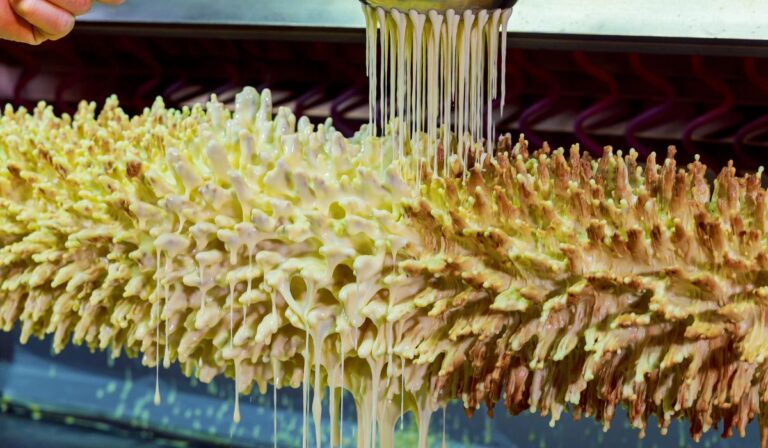
Few desserts are as visually impressive as šakotis, often referred to as Lithuania’s tree cake.
Prepared by pouring batter onto a rotating spit over an open flame, the cake develops its characteristic branch-like appearance. The baking process requires skill and patience, making šakotis a symbol of celebration and craftsmanship.
Today, many Lithuanian shops across the UK sell imported šakotis, allowing British consumers to experience one of the country’s most famous culinary traditions.
The cake’s light texture and buttery flavour make it a perfect centrepiece for birthdays, weddings and festive gatherings.
The growing popularity of Lithuanian food in the United Kingdom reflects a broader interest in authentic international cuisines. Across London, Manchester, Birmingham, Leeds and many other cities, Lithuanian restaurants, bakeries and specialist food shops are introducing new audiences to traditional Baltic flavours.
Whether you begin with a bowl of pink šaltibarščiai, a plate of comforting cepelinai or a slice of freshly baked rye bread, Lithuanian cuisine offers a unique culinary journey filled with history, tradition and unforgettable taste.
For food lovers seeking something beyond the familiar, these ten dishes provide the perfect introduction to one of Europe’s most fascinating and underrated food cultures.