







Traditional
How to Cook Classic Lithuanian Dishes at Home Using UK Supermarket Ingredients

Share:
Lithuanian cuisine is often described as hearty, comforting and deeply connected to tradition. While many people associate authentic Lithuanian food with specialist Baltic shops or family recipes passed down through generations, the truth is that a surprising number of traditional dishes can be prepared using ingredients readily available in British supermarkets.
Whether you are a Lithuanian living in the United Kingdom who misses the flavours of home or a British food enthusiast eager to explore Baltic cuisine, creating classic Lithuanian meals in your own kitchen is easier than you might think.
Most traditional recipes rely on simple, affordable ingredients such as potatoes, beetroot, cabbage, dairy products and meat. These staples are available in nearly every major UK supermarket, including Tesco, Sainsbury’s, Asda, Morrisons, Waitrose and Aldi.
In this guide, we will explore some of the most popular Lithuanian dishes and explain how you can recreate them at home using ingredients commonly found across Britain.
One reason Lithuanian cuisine adapts easily to British kitchens is the similarity between the two countries’ agricultural traditions.
Both nations have long relied on ingredients such as:
As a result, many Lithuanian recipes require very little adaptation when cooked in the UK.
While certain specialty ingredients can enhance authenticity, the core flavours remain achievable using products available in most supermarkets.
Before preparing traditional Lithuanian dishes, it helps to stock a few key ingredients.
Most can be purchased easily in Britain:
With these ingredients on hand, you can prepare many traditional Lithuanian recipes.
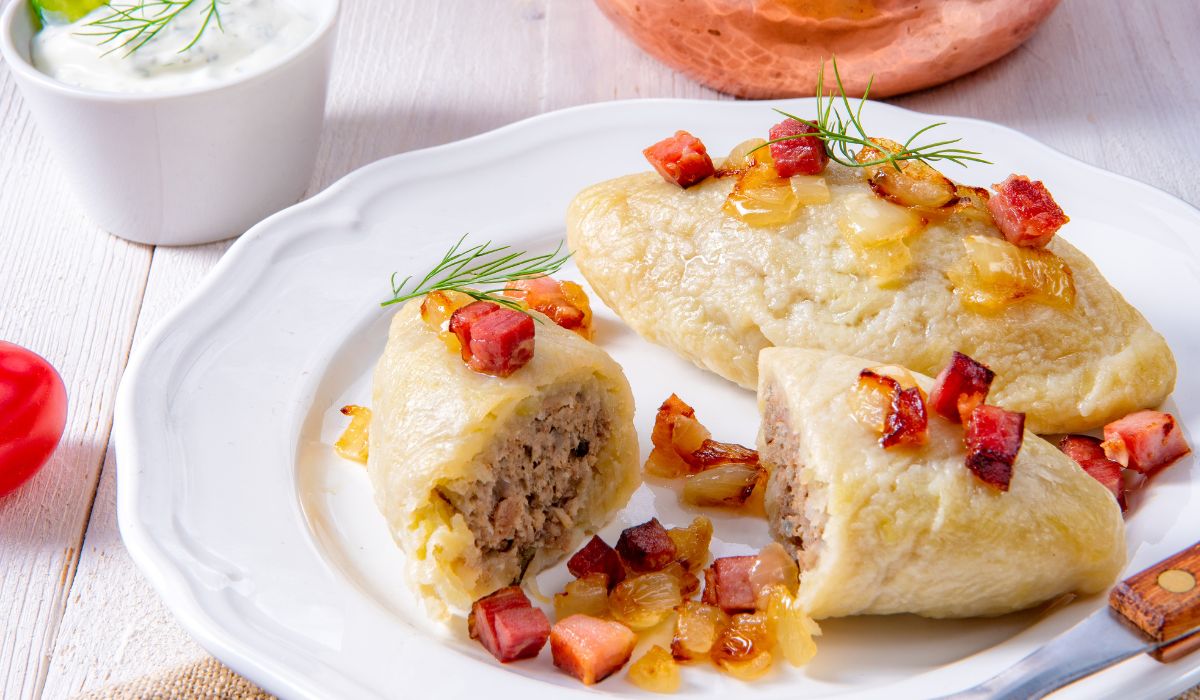
No Lithuanian dish is more famous than cepelinai.
These large potato dumplings are considered Lithuania’s national dish and are surprisingly achievable in a British kitchen.
The potatoes are grated and squeezed to remove excess liquid before being shaped around seasoned minced pork.
The dumplings are then boiled and served with a traditional bacon and sour cream sauce.
Although the process requires patience, the ingredients themselves are inexpensive and widely available throughout the UK.
Many home cooks find that making cepelinai becomes easier with practice.
One of the simplest Lithuanian dishes to make in Britain is šaltibarščiai.
This famous cold beetroot soup is particularly popular during warmer weather.
Simply grate the beetroot, chop the vegetables and combine everything with chilled kefir.
Serve with hot boiled potatoes on the side.
Most major British supermarkets now stock kefir, making it easier than ever to prepare this refreshing Lithuanian classic.
Kugelis is often described as Lithuania’s version of a potato bake.
It combines simple ingredients to create one of the country’s most comforting dishes.
The potatoes are grated and mixed with the remaining ingredients before being baked until golden brown.
The result is a dish that is crispy on the outside and soft in the centre.
Served with sour cream, kugelis makes an excellent family meal and requires only ingredients commonly found in British kitchens.
Potato pancakes are another Lithuanian favourite that can be prepared using everyday supermarket ingredients.
Grated potatoes are combined with the remaining ingredients and fried until crisp.
The pancakes are traditionally served with sour cream and fresh herbs.
Their simplicity makes them ideal for beginners exploring Lithuanian cuisine for the first time.
Kibinai are savoury pastries originally associated with Lithuania’s Karaim community.
Today they are enjoyed throughout the country and increasingly abroad.
The filling is wrapped inside pastry and baked until golden brown.
Ready-made puff pastry available in UK supermarkets makes this recipe particularly convenient.
Kibinai are perfect for lunch, picnics or quick dinners.
Known as balandėliai, stuffed cabbage rolls are a staple of Lithuanian home cooking.
Cooked rice and seasoned meat are wrapped in softened cabbage leaves before being baked or simmered in tomato sauce.
The result is a hearty, flavourful meal that appeals strongly to British tastes.
Many people compare balandėliai to dishes found elsewhere in Europe, though Lithuanian recipes have their own distinctive character.
Authentic Lithuanian rye bread can be challenging to replicate perfectly without specialist ingredients, but simplified versions are possible.
Combining rye and wheat flour creates a dense loaf with a flavour closer to traditional Lithuanian bread than standard supermarket options.
For even greater authenticity, some home bakers experiment with sourdough fermentation.
Freshly baked rye bread pairs beautifully with soups, cheeses and smoked meats.
Traditional Lithuanian desserts often appear more complicated than they actually are.
Honey cake remains one of Lithuania’s most beloved sweet treats.
Its ingredients include:
Most of these items are already present in many British kitchens.
Poppy seeds feature prominently in Lithuanian baking and are widely available in UK supermarkets.
Many festive cakes and pastries rely on their distinctive flavour.
These desserts provide an excellent introduction to Lithuanian baking traditions.
Although mainstream supermarkets supply most essentials, specialist Baltic food stores can help achieve even greater authenticity.
Products worth seeking include:
Many online retailers now deliver these products throughout the UK.
Combining supermarket ingredients with occasional specialty purchases offers the best of both worlds.
Preparing Lithuanian food is about more than following recipes.
Each dish reflects centuries of history, family traditions and cultural identity.
For Lithuanians living abroad, cooking traditional meals helps preserve important connections to home.
For British food enthusiasts, it offers an opportunity to experience a fascinating culinary culture firsthand.
Sharing homemade Lithuanian dishes with family and friends often becomes a conversation starter that encourages cultural exchange and understanding.
The popularity of home cooking has increased significantly in recent years.
Many people now enjoy exploring international cuisines from their own kitchens.
Lithuanian recipes appeal because they are:
These qualities make them particularly attractive during times when people seek comfort, authenticity and value.
You do not need a specialist chef or a fully stocked Baltic grocery store to enjoy traditional Lithuanian cuisine in Britain.
Many of Lithuania’s most beloved dishes can be prepared using ingredients available in ordinary UK supermarkets. From comforting cepelinai and crispy potato pancakes to refreshing beetroot soup and homemade kibinai, authentic Baltic flavours are surprisingly accessible.
By experimenting with traditional recipes and simple ingredients, anyone can discover why Lithuanian cuisine continues to win over food lovers throughout the United Kingdom.
Cooking these dishes at home is not only delicious—it is also a wonderful way to explore one of Europe’s richest and most underrated culinary traditions.