








Traditional
Lithuanian Food Festivals in the UK: Celebrating Baltic Flavours and Traditions

Share:
Food has always been one of the most powerful ways to preserve culture, bring communities together and share traditions with new audiences. For Lithuanians living in the United Kingdom, food festivals play a particularly important role. They provide an opportunity to celebrate national heritage, reconnect with familiar flavours and introduce British visitors to one of Europe’s most distinctive culinary traditions.
Over the past two decades, the Lithuanian community in Britain has grown significantly, creating a vibrant network of cultural organisations, community groups, businesses and food entrepreneurs. As a result, Lithuanian festivals have become increasingly popular throughout the UK, attracting not only Lithuanians but also food lovers eager to discover authentic Baltic cuisine.
From traditional potato dishes and artisan rye bread to handmade desserts and locally produced delicacies, Lithuanian food festivals offer visitors a unique opportunity to experience the rich flavours and traditions of Lithuania without leaving Britain.
To understand why Lithuanian food festivals are so popular, it is important to appreciate the role food plays in Lithuanian society.
In Lithuania, meals are about much more than eating. Food is closely connected to family life, religious celebrations, seasonal traditions and community gatherings. Recipes are often passed down through generations, carrying stories and memories alongside ingredients.
Traditional dishes frequently appear during important occasions such as:
For Lithuanians living abroad, preparing and sharing traditional food helps maintain a strong connection to their cultural roots.
Food festivals provide an ideal setting for preserving these traditions while introducing them to new audiences.
The popularity of Lithuanian food festivals in Britain reflects several broader trends.
First, there is growing interest in authentic international cuisines. British consumers increasingly seek culinary experiences that offer genuine cultural connections rather than generic interpretations.
Second, many people are becoming more curious about Eastern European cultures. Lithuania remains relatively unfamiliar to many British residents, making its cuisine particularly intriguing.
Finally, food festivals create opportunities for communities to come together, celebrate diversity and support local businesses.
These factors have helped transform Lithuanian festivals from small community gatherings into events that attract visitors from many different backgrounds.
One of the main attractions of any Lithuanian food festival is the opportunity to sample authentic traditional dishes.
Visitors often encounter foods that are rarely available in mainstream British restaurants, making festivals an excellent introduction to Lithuanian cuisine.
Among the most popular dishes are:
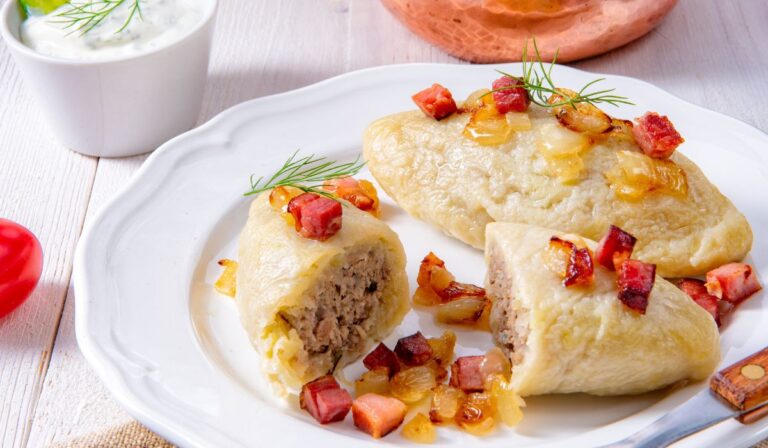
Often described as Lithuania’s national dish, cepelinai are large potato dumplings traditionally filled with minced meat and served with sour cream and bacon sauce.
They are frequently one of the first foods visitors try and often become instant favourites.
This famous cold beetroot soup is instantly recognisable because of its bright pink colour.
Made with kefir, beetroot, cucumber and fresh dill, it offers a refreshing taste that surprises many first-time visitors.
A baked potato dish with a rich flavour and comforting texture, kugelis remains one of Lithuania’s most beloved traditional meals.
These savoury pastries filled with meat, cheese or vegetables are ideal festival food because they are easy to eat while exploring stalls and entertainment areas.
Few products generate as much enthusiasm at Lithuanian festivals as traditional bakery items.
Dark rye bread occupies a special place in Lithuanian culture and is often regarded as a national treasure.
Many festival visitors are surprised by its dense texture, rich flavour and natural sweetness.
Alongside rye bread, bakery stalls frequently offer:
Freshly baked products often sell out quickly, particularly among Lithuanian visitors seeking familiar flavours from home.
No Lithuanian festival would be complete without dessert.
Lithuanian confectionery reflects centuries of culinary tradition and often combines simple ingredients with impressive craftsmanship.
Two desserts in particular attract considerable attention.
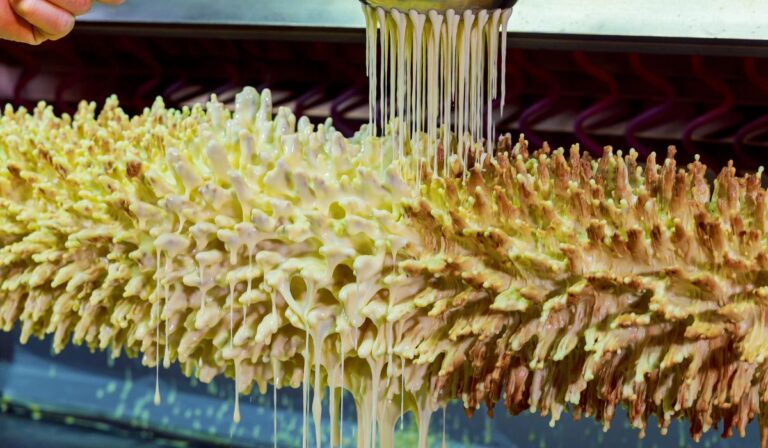
Known as tree cake, šakotis is perhaps Lithuania’s most visually distinctive dessert.
Prepared by pouring batter onto a rotating spit, it develops branch-like formations that resemble a tree.
Visitors are often fascinated by both its appearance and the specialised technique required to produce it.
Sometimes translated as anthill cake, this dessert consists of fried pastry pieces covered in honey syrup and poppy seeds.
Its unique texture and appearance make it a favourite among both adults and children.
Although food is central to these events, Lithuanian festivals offer much more than culinary experiences.
Many celebrations include:
These activities help create an immersive cultural experience that extends beyond food alone.
For British visitors, festivals provide valuable insight into Lithuanian traditions, history and national identity.
Food festivals also play an important economic role.
Many Lithuanian-owned businesses use festivals as opportunities to showcase their products and services.
Participants often include:
Festivals help these businesses reach new customers while strengthening community connections.
Many attendees discover products they later continue purchasing from specialist food shops or online retailers.
One of the most valuable aspects of Lithuanian food festivals is their ability to bring people together.
Food creates a natural opportunity for conversation and cultural exchange.
British visitors often arrive with limited knowledge of Lithuanian cuisine but leave with a greater appreciation for the country’s traditions and culinary heritage.
Similarly, Lithuanians living in Britain have opportunities to share their culture in a positive and welcoming environment.
These interactions help strengthen understanding between communities and celebrate the diversity that enriches modern Britain.
For immigrant communities, maintaining cultural traditions can sometimes be challenging.
Children born in Britain may have fewer opportunities to experience aspects of Lithuanian culture that were familiar to previous generations.
Food festivals help address this challenge by providing spaces where traditions can be celebrated openly and enthusiastically.
Young people can learn about:
This cultural continuity helps ensure that important traditions remain alive for future generations.
Although London hosts some of the largest Lithuanian cultural events, festivals now take place in many other parts of Britain.
Cities with active Lithuanian communities often organise celebrations that include food markets and cultural programmes.
Popular locations include:
As Lithuanian communities continue to grow and organise, the number of events is likely to increase further.
For anyone interested in exploring new cuisines, Lithuanian food festivals offer exceptional value.
Visitors can sample a wide variety of dishes in a single location while speaking directly with the people who prepare them.
Unlike restaurant visits, festivals provide opportunities to compare multiple foods, learn about their history and discover products that may not be widely available elsewhere.
For adventurous food enthusiasts, they represent one of the most enjoyable ways to experience authentic Lithuanian cuisine.
Lithuanian food festivals in the UK are far more than simple culinary events. They are celebrations of culture, heritage and community that bring people together through the universal language of food.
From famous dishes such as cepelinai and šaltibarščiai to artisan rye bread and spectacular desserts like šakotis, these festivals showcase the very best of Lithuanian cuisine.
At the same time, they create opportunities for cultural exchange, support local businesses and help preserve traditions for future generations.
As interest in authentic international food continues to grow, Lithuanian food festivals are becoming an increasingly important part of Britain’s diverse culinary landscape—offering visitors a delicious introduction to one of Europe’s most fascinating food cultures.