







Traditional
Lithuanian vs British Food: The Surprising Similarities and Delicious Differences

Share:
When people think about European cuisine, countries such as Italy, France and Spain often dominate the conversation. Yet some of the most fascinating culinary comparisons can be found between nations that, at first glance, seem very different. Lithuania and the United Kingdom are separated by geography, language and history, but their food cultures share more similarities than many people realise.
Both countries have developed cuisines shaped by climate, agriculture and family traditions. Both value hearty meals, seasonal ingredients and recipes passed down through generations. At the same time, each nation has created unique dishes that reflect its own identity and cultural heritage.
As Lithuanian communities continue to grow across Britain, more UK residents are discovering traditional Baltic cuisine. This has led many food lovers to ask an interesting question: how does Lithuanian food compare with British food?
The answer reveals a fascinating blend of similarities and differences that help explain why Lithuanian cuisine is increasingly winning over British diners.
One of the most obvious similarities between Lithuanian and British cuisine is their appreciation for comforting, filling meals.
Neither country developed its food culture in a warm Mediterranean climate. Long winters, unpredictable weather and physically demanding agricultural lifestyles encouraged the creation of dishes designed to provide energy and nourishment.
Traditional British favourites such as shepherd’s pie, cottage pie, roast dinners and stews share the same philosophy as many Lithuanian classics.
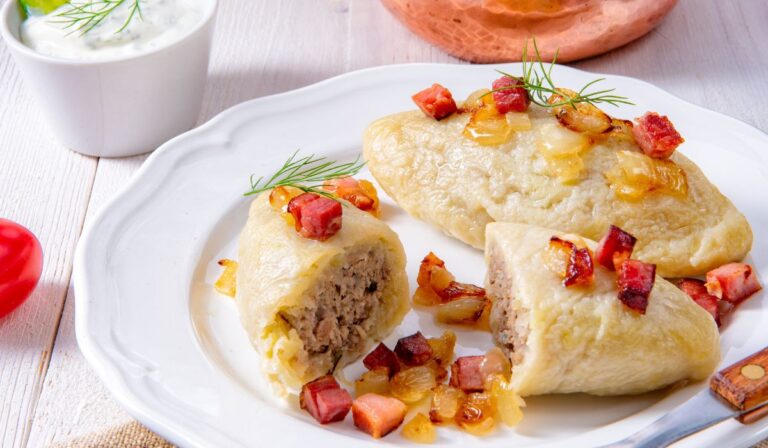
In Lithuania, dishes such as cepelinai, kugelis, balandėliai and potato pancakes are similarly hearty and satisfying. They were developed to feed families through cold winters while making the most of locally available ingredients.
This shared emphasis on comfort food often makes Lithuanian cuisine feel surprisingly familiar to British diners.
Few ingredients define British and Lithuanian cuisine more clearly than the humble potato.
In Britain, potatoes appear in countless forms, including:
Lithuania is equally devoted to potatoes, perhaps even more so.
Many of the country’s most famous dishes rely heavily on this versatile ingredient. Cepelinai, kugelis, potato pancakes and potato sausages all showcase the central role potatoes play in Lithuanian cooking.
Visitors from Britain often feel immediately comfortable with Lithuanian cuisine because potatoes feature so prominently. However, the creative ways Lithuanians use them can still be surprising.
Bread is important in both countries, but the preferred styles differ significantly.
Traditional British bread tends to be lighter in colour and texture. White loaves, wholemeal bread and soft sandwich breads remain popular throughout the UK.
Lithuania, on the other hand, is famous for its dark rye bread.
Authentic Lithuanian rye bread is dense, rich and slightly sweet. Often made using sourdough fermentation, it has a distinctive flavour that differs dramatically from most British bread varieties.
For many British visitors, rye bread becomes one of the most memorable aspects of Lithuanian cuisine.
Its deep flavour and satisfying texture make it particularly appealing alongside soups, cheeses and smoked meats.
Both British and Lithuanian cuisines place a strong emphasis on meat.
Traditional British meals often feature:
Similarly, Lithuanian cuisine frequently includes:
However, preparation methods often differ.
Lithuania has a particularly strong tradition of smoking and curing meats. Smoked sausages and cured pork products are widely enjoyed and often feature in both everyday meals and special occasions.
British cuisine certainly includes smoked products, but Lithuania’s smoking traditions are often more deeply integrated into everyday cooking.
Soup occupies an important place in both culinary traditions.
Britain is known for classics such as:
Lithuania offers an equally impressive variety.
Perhaps the most famous example is šaltibarščiai, a cold beetroot soup recognised instantly by its bright pink colour. Made with kefir, cucumber and fresh herbs, it is unlike anything commonly found in British cuisine.
Lithuanian kitchens also produce rich mushroom soups, cabbage soups and meat broths that reflect the country’s agricultural heritage.
While both nations appreciate soup, Lithuania often places greater emphasis on it as a central part of daily meals.
Dairy products are important in both countries, but their usage differs.
Britain is renowned for cheeses such as Cheddar, Stilton and Red Leicester.
Lithuania, meanwhile, places significant emphasis on products such as:
Sour cream, in particular, appears throughout Lithuanian cuisine. It serves as a topping, ingredient and accompaniment to numerous dishes.
British diners are often surprised by how frequently sour cream appears on Lithuanian menus.
Historically, both countries relied heavily on seasonal produce.
British cuisine traditionally incorporates:
Lithuanian cuisine similarly embraces:
The difference lies in preparation.
Lithuania makes extensive use of pickling and fermentation techniques, preserving vegetables for winter months. Pickled cucumbers, fermented cabbage and preserved mushrooms remain popular today.
These preservation traditions create flavours that are often stronger and more complex than those commonly found in British cooking.
Desserts provide one of the clearest distinctions between the two cuisines.
British desserts are famous for their richness and variety, including:
Lithuanian desserts often focus more on traditional celebration cakes and pastries.
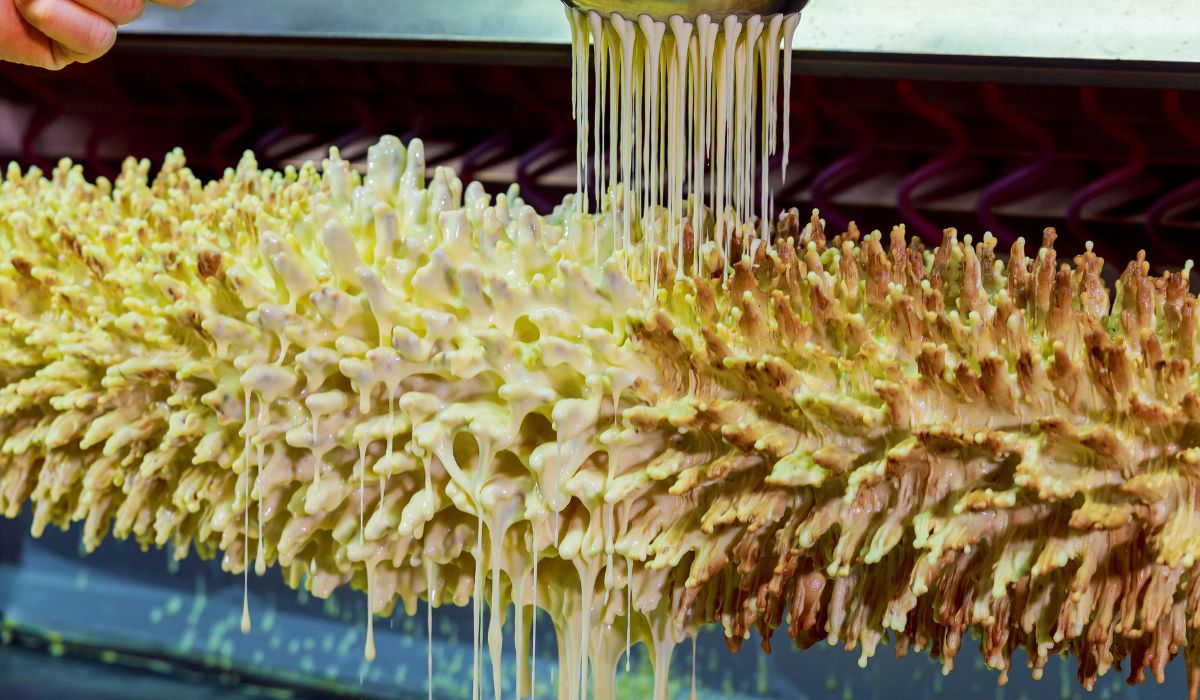
Two iconic examples are:
Known as tree cake, this remarkable dessert is baked on a rotating spit and develops a distinctive branch-like appearance.
Sometimes called anthill cake, it consists of fried pastry pieces covered in honey and poppy seeds.
While British desserts tend to emphasise soft textures and creamy fillings, Lithuanian sweets often highlight craftsmanship, tradition and visual presentation.
Tea occupies a central place in British culture.
For many people, the phrase “British food culture” immediately brings tea to mind.
Lithuania also values warm beverages, but often embraces herbal infusions made from locally gathered plants and berries.
Traditional Lithuanian herbal teas frequently include:
These drinks reflect Lithuania’s close historical relationship with nature and seasonal ingredients.
Perhaps the greatest similarity between Lithuanian and British cuisine is the role food plays in family life.
In both countries, meals are about much more than eating.
They represent:
Sunday roasts in Britain and traditional family gatherings in Lithuania serve remarkably similar social functions.
Both cultures understand that food brings people together.
The growing popularity of Lithuanian cuisine in Britain is not accidental.
British diners often appreciate Lithuanian food because it feels both familiar and exciting.
The familiar aspects include:
The exciting elements include:
This balance makes Lithuanian cuisine highly accessible to British audiences.
Although Lithuania and the United Kingdom have developed distinct culinary identities, they share many common values when it comes to food.
Both cuisines celebrate comfort, tradition and family. Both make excellent use of local ingredients and seasonal produce. Yet each offers unique dishes that reflect its own history and culture.
As more British consumers discover Lithuanian restaurants, bakeries and food products, they are finding a cuisine that feels surprisingly familiar while still offering plenty of delicious discoveries.
Perhaps that is why Lithuanian food is becoming one of Britain’s most exciting emerging culinary trends—a perfect combination of comfort, authenticity and flavour.