







Recommended
Meet the Lithuanian Chefs Bringing Baltic Cuisine to the UK’s Food Scene

Share:
The United Kingdom has long been recognised as one of the world’s most exciting culinary destinations. From Michelin-starred restaurants and innovative gastropubs to bustling street food markets and independent cafés, Britain’s food scene continues to evolve through the influence of talented chefs from around the globe.
Among the many international communities contributing to this culinary diversity are Lithuanian chefs and food entrepreneurs. Over the past two decades, they have quietly introduced British diners to a cuisine that remains one of Europe’s best-kept culinary secrets. Through restaurants, bakeries, catering businesses and food festivals, Lithuanian professionals are helping bring authentic Baltic flavours to a wider audience.
Although Lithuanian cuisine may not yet enjoy the same recognition as Italian, French or Spanish food, its popularity is steadily growing. Traditional recipes, artisan ingredients and a strong focus on authenticity are attracting increasing attention from food lovers across Britain.
Behind this success are dedicated chefs and entrepreneurs who are working hard to showcase the rich culinary heritage of Lithuania while adapting to the expectations of modern British consumers.
Lithuanians have become an important part of Britain’s workforce since Lithuania joined the European Union in 2004.
While many initially arrived seeking opportunities in construction, logistics and manufacturing, others pursued careers in hospitality and food service. Over time, some gained valuable experience in British kitchens before opening their own businesses.
Today, Lithuanian-owned restaurants, bakeries, delicatessens and catering companies operate throughout the United Kingdom.
Cities with significant Lithuanian communities, including London, Manchester, Birmingham, Peterborough, Leeds and Nottingham, have become centres for Baltic food culture.
These businesses not only serve the Lithuanian community but increasingly attract British customers interested in discovering authentic international cuisine.
One of the biggest challenges Lithuanian chefs face is introducing unfamiliar dishes to new audiences.
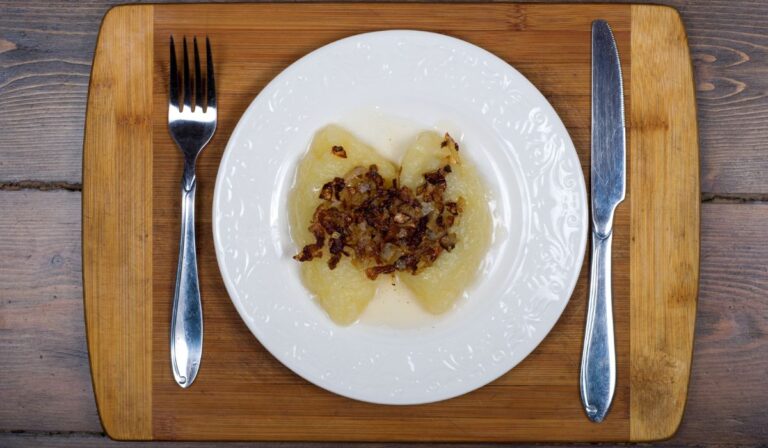
Many British consumers have never heard of:
As a result, chefs often act as cultural ambassadors, explaining the history and significance of traditional recipes while encouraging diners to try something different.
Fortunately, many Lithuanian dishes contain ingredients already familiar to British palates.
Potatoes, pork, rye bread, dairy products and seasonal vegetables feature prominently in both cuisines, making Lithuanian food approachable despite its uniqueness.
This familiarity helps chefs bridge the gap between curiosity and confidence.
Successful Lithuanian chefs understand that authenticity and innovation must work together.
While traditional recipes remain at the heart of their menus, many chefs adapt presentation styles and portion sizes to suit contemporary dining preferences.
For example:
These adaptations help attract new customers without compromising the integrity of traditional flavours.
The most successful chefs recognise that preserving heritage does not mean resisting evolution.
Many Lithuanian food businesses in Britain are built upon recipes passed down through generations.
Family traditions remain central to Lithuanian culinary culture.
Grandparents teach parents.
Parents teach children.
Recipes are preserved not through formal training but through years of practical experience.
This heritage often becomes a key selling point for Lithuanian restaurants and bakeries.
Customers appreciate knowing that the food they are enjoying reflects genuine family traditions rather than commercially developed recipes.
Authenticity has become increasingly valuable in modern food culture.
While restaurants play an important role, bakeries have been particularly successful in introducing Lithuanian food to British consumers.
Traditional Lithuanian baking offers products that differ significantly from mainstream British bakery items.
Popular examples include:
Many customers initially visit Baltic bakeries seeking fresh bread and later discover a wider range of Lithuanian products.
As artisan baking continues to grow in popularity across Britain, Lithuanian bakeries have found a receptive audience.
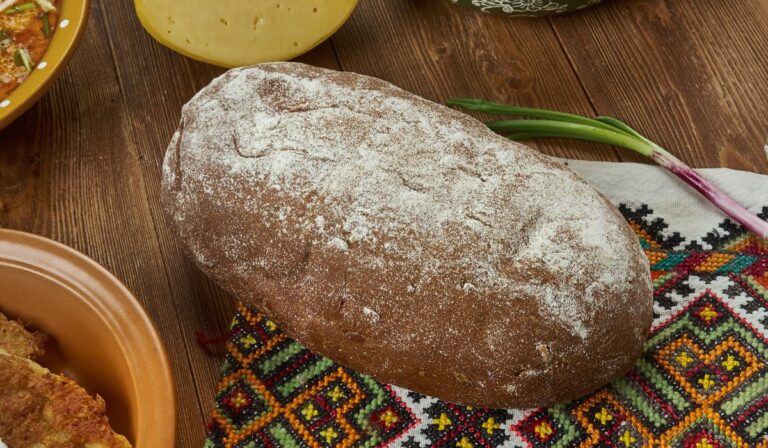
Few products represent Lithuanian cuisine more strongly than rye bread.
Many Lithuanian chefs and bakers consider bread making a cultural responsibility as much as a business activity.
Authentic rye bread requires:
Producing high-quality bread abroad presents challenges, particularly when sourcing ingredients and maintaining traditional methods.
Despite these obstacles, Lithuanian bakers throughout Britain continue to uphold standards that honour centuries of baking tradition.
Their commitment helps preserve an important part of Lithuania’s cultural identity.
Lithuanian food festivals have become valuable opportunities for chefs and entrepreneurs to showcase their work.
These events allow visitors to sample a wide variety of traditional foods while learning about Lithuanian culture.
Many businesses gain new customers through:
For chefs, festivals provide direct interaction with diners, allowing them to explain recipes, answer questions and share personal stories.
These personal connections often leave lasting impressions.
Catering has become another important avenue for Lithuanian food entrepreneurs.
Many businesses now specialise in providing Baltic cuisine for:
Catering allows chefs to introduce traditional dishes to larger audiences while demonstrating the versatility of Lithuanian cuisine.
Events often serve as a person’s first experience of Baltic food, making quality particularly important.
Positive experiences frequently lead to repeat business and growing interest in Lithuanian cuisine more broadly.
Despite increasing popularity, Lithuanian chefs still face several challenges.
These include:
Many consumers remain unfamiliar with Lithuanian food.
Chefs often invest significant effort into educating customers before they can fully appreciate the cuisine.
Certain traditional ingredients can be difficult or expensive to source consistently.
Britain’s restaurant industry is highly competitive.
Lithuanian businesses compete not only with local establishments but also with cuisines that enjoy greater public recognition.
Nevertheless, growing interest in authentic food experiences continues to create opportunities.
Several factors explain why Lithuanian cuisine is gaining traction.
British diners increasingly value:
Lithuanian food embodies all these qualities.
Its recipes are rooted in history and often prepared using techniques that prioritise flavour over convenience.
For consumers tired of generic dining experiences, Lithuanian cuisine offers something genuinely distinctive.
Young Lithuanian chefs are helping shape the future of Baltic cuisine in Britain.
Many have trained in modern kitchens while maintaining strong connections to their cultural heritage.
This combination allows them to:
Their work is helping Lithuanian cuisine evolve while remaining true to its roots.
As these chefs gain visibility, awareness of Lithuanian food is likely to continue growing.
Food has a remarkable ability to connect people from different backgrounds.
Lithuanian chefs contribute to this process every day.
Through their work, they help British consumers understand:
A single meal can inspire curiosity about a country, its people and its traditions.
This cultural exchange represents one of the most rewarding aspects of the hospitality industry.
The outlook for Lithuanian cuisine in the UK appears increasingly positive.
Several trends support continued growth:
As awareness increases, more Lithuanian chefs and entrepreneurs are likely to emerge.
Their contributions will continue enriching Britain’s diverse culinary landscape.
Lithuanian chefs and food entrepreneurs are playing an increasingly important role in Britain’s food scene.
Through restaurants, bakeries, catering businesses and cultural events, they are introducing British consumers to a cuisine rich in tradition, flavour and authenticity.
Their work goes far beyond serving meals. They preserve cultural heritage, support communities and build connections between people through food.
As more diners discover the appeal of Baltic cuisine, these talented chefs will continue shaping the future of Lithuanian food in the United Kingdom—one delicious dish at a time.